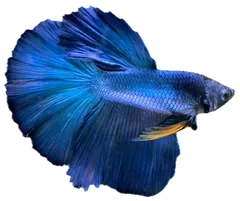
Betta fish: lifespan, size, diet and care
Never in a bowl or a vase: it needs at least 20 liters (5 gallons), heated and filtered.
Take the quiz: is it right for you?
How big it is
An adult is up to 7.5 cm (3 in) long.
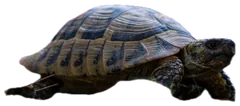
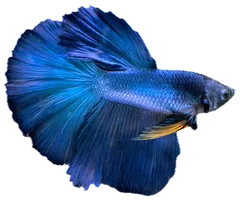
Zoomed ×8: here you see the man up to 23.8 cm (9 in) off the ground



Before it arrives
- A tank of at least 20 liters (5 gallons; 10 liters is the absolute minimum): never a bowl or a vase
- An aquarium heater with a thermostat, to keep the water at 24–26 °C (75–79 °F)
- A filter of the right size, with gentle, adjustable flow
- Tap water conditioner and a test kit (ammonia, nitrite, nitrate)
- Start the tank first: ammonia and nitrite must be zero; in the first 6 weeks, test every 2–3 days
- Soft plants and decorations without sharp edges; no mirrors
- Only one male per tank: two males will fight
- Betta food (pellets or flakes)
Its home: temperature and light
- Water
- 24–26 °C (75–79 °F)
- Light
- 10 hours a day
What it eats and how often
a little, once a day
- Adults: every day, 1 meal a day
Once a day, only what it eats in under 2 minutes: leftover food fouls the water. Betta pellets or flakes, and now and then small live or frozen foods (daphnia, bloodworms).
Vaccines and checkups
Usually none: vaccines are still uncommon for pet fish.
No vet source gives a fixed checkup schedule: ask a vet who knows its species how often a checkup is needed.
The care calendar
What to do, from the most frequent to the least.
- every dayA little foodBetta pellets or flakes: only what it eats in under 2 minutes, once a day.
- every dayCheck the fish and the waterWatch how it swims and eats, check the thermometer and that the filter and heater work. Remove leftover food.
- every weekPartial water changeTest the water first. Replace 10–25% with water treated with conditioner, at the same temperature.
- every weekWater testAmmonia and nitrite should be zero; nitrate no more than 20 mg/L above your tap water.
- every monthClean the filterRinse the media lightly in water taken from the tank, never under the tap; sooner if it clogs.
Call the vet right away if…
If you see one of these signs, call your vet now: don’t wait for it to pass.
- Lies on the bottom most of the time, or swims on its side or with effort
- Clamped, ragged or shrinking fins, or streaks of blood in them
- White spots like grains of salt, or cotton-like tufts on the body or fins
- Swollen belly with scales sticking out, or cloudy or bulging eyes
- Stops eating, or turns much paler or darker than usual
Frequently asked questions
How long does a betta fish live?
Usually 3–5 years.
How big is a betta fish?
An adult is up to 7.5 cm (3 in) long.
How much does a betta fish weigh?
You don’t weigh it at home: watch how it swims, eats and breathes.
What does a betta fish eat, and how often?
A little, once a day. Once a day, only what it eats in under 2 minutes: leftover food fouls the water. Betta pellets or flakes, and now and then small live or frozen foods (daphnia, bloodworms). Adults: every day, 1 meal a day.
Does a betta fish need vaccines?
Usually none: vaccines are still uncommon for pet fish.
When should a betta fish see a vet right away?
Right away if you see one of these signs: lies on the bottom most of the time, or swims on its side or with effort; clamped, ragged or shrinking fins, or streaks of blood in them; white spots like grains of salt, or cotton-like tufts on the body or fins. The others are above, in “Call the vet right away if…”.
How old is a betta fish in human years?
There’s no serious human-years chart for a betta fish: the ones online don’t cite sources. What counts is where it is in its life: its senior years start at about 2.3 to 3.8 years old.
Tools for your betta fish
Always ask your vet: this site helps you understand, it doesn’t replace a checkup.
Sources
- RSPCA, Fish environment (checked on September 30, 2026)
- OATA, How to look after Siamese fighting fish (bettas) (checked on September 30, 2026)
- Merck Veterinary Manual, Routine Health Care of Fish (checked on September 30, 2026)
- RSPCA Australia, How should I care for my Siamese fighting fish? (checked on October 13, 2026)
- RSPCA, Fish health and welfare (checked on October 13, 2026)
- Merck Veterinary Manual, Disorders and Diseases of Fish (checked on October 13, 2026)