When to call the vet right away
Pick who lives with you: the signs not to wait on, pet by pet, from vets’ care sheets.
Who lives with you?
Small mammals
Spiders
Tap your pet: what it needs shows up below.

Dog
If you see one of these signs, call your vet now: don’t wait for it to pass.
- Swollen belly and repeated retching with nothing coming up
- Struggling or noisy breathing, or pale, white, gray or bluish gums
- Keeps vomiting, or there is blood in its vomit or diarrhea
- Collapses, or has a seizure lasting more than 2 minutes or more than one in 24 hours
- It may have eaten something toxic (medicines, cleaning products, pesticides), even if it seems fine

Cat
If you see one of these signs, call your vet now: don’t wait for it to pass.
- Breathing with its mouth open, or panting
- Keeps going to the litter box but passes little or no urine, or strains to pee
- Hasn't eaten for more than a day
- Has been vomiting for more than 24 hours, can't keep food or water down, or there is blood in its vomit
- Collapses, or has a seizure lasting more than 2 minutes or more than one in 24 hours

Rabbit
If you see one of these signs, call your vet now: don’t wait for it to pass.
- Has stopped eating or passing droppings for 12 hours or more
- Breathes through its mouth (rabbits normally breathe through the nose)
- Maggots or fly eggs in its fur, often around the tail
- Watery or jelly-like droppings, and it sits hunched
- Strains to pee, especially with spots of blood
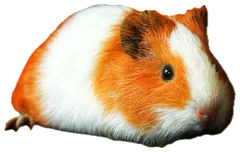
Guinea pig
If you see one of these signs, call your vet now: don’t wait for it to pass.
- Eats or drinks less, or passes fewer droppings or none
- Struggles to breathe
- Drools, its front teeth look too long, or its jaw is swollen
- Diarrhea, or soft droppings stuck around its bottom
- Loses a lot of weight in a short time

Hamster
If you see one of these signs, call your vet now: don’t wait for it to pass.
- Wet, dirty fur around the tail, with diarrhea
- Drools, eats less, or its front teeth look too long
- Breathes with difficulty, or has a runny nose or eyes
- A hot, red, painful swelling or a new lump
- Sits quietly in a corner, or loses weight or patches of fur
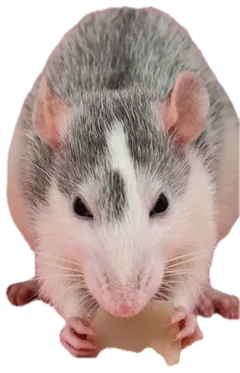
Pet rat
If you see one of these signs, call your vet now: don’t wait for it to pass.
- Sneezes often, snuffles, or breathes noisily or with effort
- Red-brown staining or crusts around the eyes or nose, especially if heavy or recurring
- A new lump, especially on the belly or chest
- Head tilt, circling or loss of balance
- Loses weight, sits hunched with a scruffy coat, or its front teeth look too long
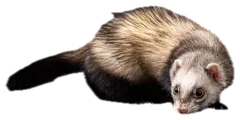
Ferret
If you see one of these signs, call your vet now: don’t wait for it to pass.
- Weak back legs or staggering, a blank stare, drooling, or pawing at its mouth
- Hasn't eaten or drunk for 24 hours, or strains but can't poop
- Blood in its urine, or strains but can't pee
- Thick black stools, or bloody, foul-smelling or nonstop diarrhea
- Bluish or white gums or tongue, or trouble breathing
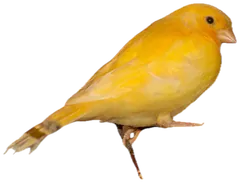
Canary
If you see one of these signs, call your vet now: don’t wait for it to pass.
- Sits fluffed up, tired and quieter than usual
- Breathes heavily or with its tail bobbing
- Sits on the cage floor or can't stay on the perch
- Diarrhea, blood in the droppings, or far fewer droppings than usual
- Has lost more than 10% of its weight, or eats and drinks much less
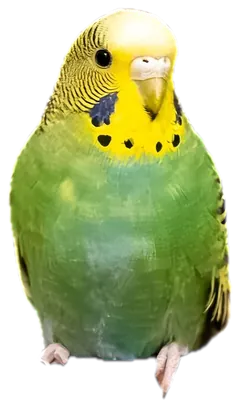
Budgies
If you see one of these signs, call your vet now: don’t wait for it to pass.
- Sits fluffed up and sleeps more than usual with its eyes closed
- Its tail bobs with each breath, or you hear wheezing
- Sits on the cage floor, is weak or loses its balance
- Has lost more than 10% of its weight
- Throws up food, or its droppings change in color, amount or texture
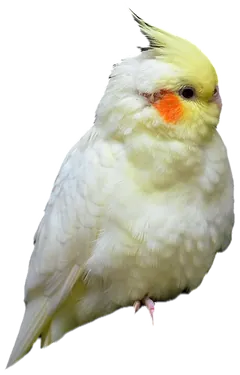
Cockatiel
If you see one of these signs, call your vet now: don’t wait for it to pass.
- Sits fluffed up and sleeps more than usual with its eyes closed
- Its tail bobs with each breath, or you hear wheezing
- Sits low on the perch or on the cage floor
- Has lost more than 10% of its weight
- Eats or drinks much more or less than usual, or its droppings change
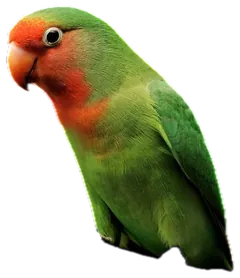
Lovebirds
If you see one of these signs, call your vet now: don’t wait for it to pass.
- Sits fluffed up and sleeps more than usual with its eyes closed
- Its tail bobs with each breath, or it sits on the cage floor
- Has lost or gained more than 10% of its weight
- Fewer droppings, or droppings that change color or contain blood
- Discharge from the nostrils, eyes or beak, or noisy breathing
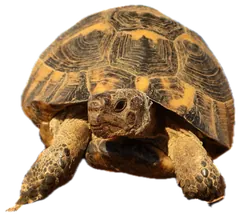
Tortoise
If you see one of these signs, call your vet now: don’t wait for it to pass.
- Bubbles or discharge from the nose, wheezing, or mucus around the mouth
- Hasn't eaten for a week while active (apart from the month before brumation)
- After brumation it doesn't start eating, seems not to see, or walks in circles
- During brumation it loses clearly more than 1% of its weight in a month, or passes urine
- Soft or misshapen shell, or blood in the droppings
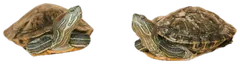
Red-eared slider
If you see one of these signs, call your vet now: don’t wait for it to pass.
- Swollen, puffy or closed eyes
- Floats tilted or can't dive
- Bubbles or mucus at the nose or mouth, or breathing with its mouth open
- Soft or misshapen shell, or pink or red patches on the skin or shell
- Stops eating and basking and seems dull, or tissue sticks out of the vent

Leopard gecko
If you see one of these signs, call your vet now: don’t wait for it to pass.
- Old skin still stuck to its toes, tail tip or eyes after a shed
- Its tail is getting thinner, or it is losing weight
- Twitching muscles, swollen legs or a misshapen jaw
- Abnormal droppings or none, together with weight loss
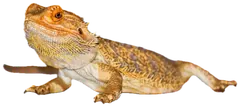
Bearded dragon
If you see one of these signs, call your vet now: don’t wait for it to pass.
- Twitching, swollen legs or face, or trouble walking or climbing
- Loses weight, even during brumation
- Poor appetite outside of brumation
- Brings up food after eating
- Diarrhea or no droppings, together with weight loss
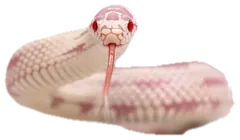
Corn snake
If you see one of these signs, call your vet now: don’t wait for it to pass.
- Breathes with its mouth open, wheezes, or has bubbles or mucus at the nose or mouth
- Old skin left over the eyes or in rings after a shed, especially on the tail tip
- Brings up its meals, or refuses food and loses weight
- Thick, cheesy material in the mouth, or red or bleeding gums
- Tiny black specks on its body or around the water bowl, or it soaks for hours
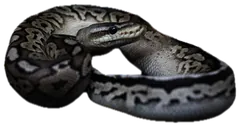
Ball python
If you see one of these signs, call your vet now: don’t wait for it to pass.
- Breathes with its mouth open, wheezes, or has bubbles or mucus at the nose or mouth
- Old skin left over the eyes or in rings after a shed, especially on the tail tip
- Refuses food and loses weight, or brings up its meals
- Holds its head twisted upward, trembles, or can't turn over when on its back
- Tiny black specks on its body or around the water bowl, or it soaks for hours
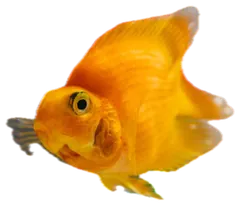
Goldfish
If you see one of these signs, call your vet now: don’t wait for it to pass.
- Gasps at the surface, or lies on the bottom with clamped fins
- Can't stay upright: floats on its side or upside down, or keeps sinking
- White spots like grains of salt, cotton-like tufts, or red streaks in the fins
- Swollen belly with scales sticking out, or a sunken belly and weight loss
- Stops eating, or keeps rubbing itself against gravel and decorations
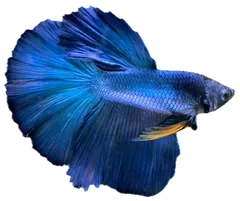
Betta fish
If you see one of these signs, call your vet now: don’t wait for it to pass.
- Lies on the bottom most of the time, or swims on its side or with effort
- Clamped, ragged or shrinking fins, or streaks of blood in them
- White spots like grains of salt, or cotton-like tufts on the body or fins
- Swollen belly with scales sticking out, or cloudy or bulging eyes
- Stops eating, or turns much paler or darker than usual
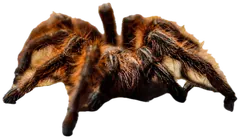
Tarantula
If you see one of these signs, call your vet now: don’t wait for it to pass.
- It fell from a height: its abdomen can burst and leak fluid, and it can bleed to death
- White material around its mouth and a smaller appetite: it may have worms (nematodes)
- Wounds or bites after live insects were left in the enclosure
- A bald patch on its abdomen: it's stressed and flicking its hairs to defend itself
Looks serious, but it’s normal:
- It lies on its back and doesn't move: it's molting (15 minutes to a full day). Don't touch or move it.
- Before a molt it stops eating for a while.
Every pet is different. Before changing food, weight or care, talk to your vet.
Sources
All 53 sources, pet by pet
- PDSA, GDV (gastric dilatation volvulus) in dogs (checked on October 13, 2026)
- PDSA, Vomiting in dogs (checked on October 13, 2026)
- PDSA, First aid for pets struggling to breathe (checked on October 13, 2026)
- PDSA, Are my dog's gums pale? (checked on October 13, 2026)
- PDSA, Dog diarrhoea (checked on October 13, 2026)
- PDSA, First aid for fits and seizures in pets (checked on October 13, 2026)
- PDSA, Seizures and epilepsy in dogs (checked on October 13, 2026)
- PDSA, First aid for poisons and toxins (checked on October 13, 2026)
- RSPCA, Poisoning in dogs (checked on October 13, 2026)
- PDSA, Breathing problems in cats (checked on October 13, 2026)
- PDSA, Blocked bladder in cats (checked on October 13, 2026)
- Merck Veterinary Manual, Proper Nutrition for Cats (checked on October 13, 2026)
- PDSA, Vomiting in cats (checked on October 13, 2026)
- House Rabbit Society, How to care for a pet rabbit: a primer (checked on October 13, 2026)
- Rabbit Welfare Association & Fund, Recognising emergencies (checked on October 13, 2026)
- RSPCA, Rabbit health (checked on October 13, 2026)
- Rabbit Welfare Association & Fund, Flystrike in rabbits (checked on October 13, 2026)
- RSPCA, Guinea pig health (checked on October 13, 2026)
- PDSA, Guinea pig health (checked on October 13, 2026)
- Merck Veterinary Manual, Routine Care of Guinea Pigs (checked on October 13, 2026)
- PDSA, Hamsters as pets (checked on October 13, 2026)
- RSPCA, Hamster diet (checked on October 13, 2026)
- Merck Veterinary Manual, Routine Health Care of Hamsters (checked on October 13, 2026)
- Merck Veterinary Manual, Routine Health Care of Rats (checked on October 13, 2026)
- PDSA, Rats as pets (checked on October 13, 2026)
- Merck Veterinary Manual, Endocrine Disorders of Ferrets (checked on October 13, 2026)
- Merck Veterinary Manual, Hormonal Disorders of Ferrets (checked on October 13, 2026)
- Merck Veterinary Manual, Emergencies of Ferrets (checked on October 13, 2026)
- Deutscher Tierschutzbund (German Animal Welfare Federation), Canaries (checked on October 13, 2026)
- Association of Avian Veterinarians, Signs of Illness in Companion Birds (PDF) (checked on October 13, 2026)
- Merck Veterinary Manual, Signs of Illness in Pet Birds (checked on October 13, 2026)
- RSPCA, Handle with care: Spur-thighed, Hermann's, marginated and Horsfield's tortoises (PDF) (checked on October 13, 2026)
- British Chelonia Group, Care sheet for Mediterranean tortoises (checked on October 13, 2026)
- Association of Reptile and Amphibian Veterinarians (ARAV), Red-Eared Sliders, Companion Reptile Care Series (PDF, copy on a veterinary clinic website) (checked on October 13, 2026)
- RSPCA, Terrapin care (checked on October 13, 2026)
- RSPCA, Leopard gecko care (checked on October 13, 2026)
- Association of Reptile and Amphibian Veterinarians (ARAV), Leopard Geckos, Companion Reptile Care Series (PDF, copy on a veterinary clinic website) (checked on October 13, 2026)
- RSPCA, Bearded dragon care (checked on October 13, 2026)
- Association of Reptile and Amphibian Veterinarians (ARAV), Bearded Dragons, Companion Reptile Care Series (PDF, copy on a veterinary clinic website) (checked on October 13, 2026)
- Association of Reptile and Amphibian Veterinarians (ARAV), Corn Snakes, Companion Reptile Care Series (PDF, copy on a veterinary clinic website) (checked on October 13, 2026)
- Merck Veterinary Manual, Viral Diseases of Reptiles (checked on October 14, 2026)
- RSPCA, Corn snake care (checked on October 13, 2026)
- Merck Veterinary Manual, Disorders and Diseases of Reptiles (checked on October 14, 2026)
- RSPCA, Royal python care (checked on October 13, 2026)
- Association of Reptile and Amphibian Veterinarians (ARAV), Ball Pythons, Companion Reptile Care Series (PDF, copy on a veterinary clinic website) (checked on October 13, 2026)
- RSPCA, Fish health and welfare (checked on October 13, 2026)
- RSPCA Australia, How should I care for my goldfish? (checked on October 13, 2026)
- Merck Veterinary Manual, Routine Health Care of Fish (checked on October 13, 2026)
- Merck Veterinary Manual, Disorders and Diseases of Fish (checked on October 13, 2026)
- OATA, How to look after Siamese fighting fish (bettas) (checked on October 14, 2026)
- University of Idaho Extension, BUL 1120 How to Handle Tarantulas in a Classroom Setting (2026, PDF) (checked on October 14, 2026)
- Royal Veterinary College, Tarantula care (2024, PDF) (checked on October 14, 2026)
- University of Illinois College of Veterinary Medicine, Caring for pet tarantulas (checked on October 13, 2026)