Vaccines, checkups and care
Pick who lives with you: the vaccines it needs, how often to see the vet, and the care calendar to put in your phone.
Who lives with you?
Small mammals
Spiders
Tap your pet: what it needs shows up below.

Dog
For your dog there are the shots and deworming week by week, with reminders.

Cat
For your cat there are the shots and deworming week by week, with reminders.

Rabbit
Every year against myxomatosis and rabbit hemorrhagic disease (RHD1 and RHD2), from 5 weeks of age: in Europe (Italy included) there is a single combined vaccine authorized across the EU. In the US, rabbits get the RHDV2 vaccine: two doses 3 weeks apart, then a booster every year.
A checkup at the vet every year. With a rabbit-savvy vet.
The care calendar
What to do, from the most frequent to the least.
- every dayHay, greens and pelletsFresh hay always available, a large handful of leafy greens and an egg cup of pellets (25 g) per kg of body weight. Fresh water at all times.
- every dayCheck under the tailThe fur and skin should be clean and dry. In summer, check twice a day: urine and droppings attract flies.
- every weekCheck its front teeth and nailsThey grow fast: the front teeth 2 to 3 mm a week. If they are crooked or too long, only a vet should trim them.
- every weekFull clean of the enclosureSpot-clean the litter box every day; once a week clean everything with hot, soapy water.
- every weekBrush its coatShort or medium coat once or twice a week, more often while it sheds; long coat every day.
- every 6 weeksTrim its nailsEvery 1 to 2 months, or when they're long.
- every yearVaccinesMyxomatosis and hemorrhagic disease (RHD1 and RHD2), every year.
- every yearYearly check-upWith a rabbit-savvy vet.
The weekly, monthly and yearly tasks, repeating on their own. The file stays on your phone.

Guinea pig
None: guinea pigs don't need vaccines.
A checkup at the vet every year. With a vet who knows guinea pigs.
The care calendar
What to do, from the most frequent to the least.
- every dayHay, veg and pelletsHay at all times, fresh veg rich in vitamin C and a new portion of pellets: don't just top up the old ones.
- every dayCheck its bottomIt should be clean and dry, with no droppings stuck to it. In summer, twice a day: dirt attracts flies.
- every weekTeeth and nailsCheck the front teeth and the nails: they grow fast.
- every weekBrush its coatOnce a week; every day if it has long hair.
- every weekDeep clean the cageSpot-clean every day.
- every yearYearly check-up at the vetWith a vet who knows guinea pigs.
The weekly, monthly and yearly tasks, repeating on their own. The file stays on your phone.

Hamster
None: no vaccines are required or recommended for hamsters.
No vet source gives a fixed checkup schedule: ask a vet who knows its species how often a checkup is needed.
The care calendar
What to do, from the most frequent to the least.
- every dayFresh food and waterAdd a little hay, remove leftover food and clean the bottle.
- every 3 daysEvening checkFront teeth, nails and tail area; in the evening, when it's awake.
- every weekDeep clean the enclosureEvery day, remove wet bedding and leftover food. A full clean once a week if the cage is small; big setups only need it every few weeks. Put back a little of the old, clean bedding so it still smells like home.
The weekly, monthly and yearly tasks, repeating on their own. The file stays on your phone.
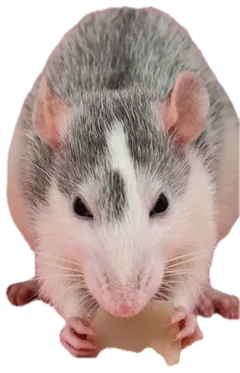
Pet rat
None: there are no vaccines for rats or other small rodents.
A checkup at the vet every year. With a rat-savvy vet.
The care calendar
What to do, from the most frequent to the least.
- every dayFresh food and waterWeighed rat nuggets and a little fresh veg, morning and evening. Remove leftovers and check the water bottles.
- every weekTeeth and body checkFront teeth, eyes and nose; feel its body for new lumps. Every day, watch them morning and evening.
- every weekWeigh-inUse a gram scale and note the weight, when you clean the cage.
- every weekDeep clean the cageSpot-clean every day. Put back a little of the old nesting material if it's clean.
- every yearYearly check-up at the vetWith a rat-savvy vet.
The weekly, monthly and yearly tasks, repeating on their own. The file stays on your phone.

Ferret
Distemper: as a kit at about 8, 11 and 14 weeks, then boosters every 1 to 3 years depending on the vaccine (in the UK, PDSA says every year). Rabies: in the EU, required to travel to another country (EU pet passport); in the US, from 3 months of age, then as state law requires. One vaccine at a time, and stay 20 to 30 minutes at the vet after the shot: reactions are common.
A checkup at the vet every year. At least once a year, ideally every 6 to 12 months, with a vet who knows ferrets.
The care calendar
What to do, from the most frequent to the least.
- every dayFresh food and waterWeigh out the day's portion of complete ferret food and leave it out to graze. Fresh water at all times. No sugar, fruit or dairy.
- every weekWash bedding and hammocksClean the litter tray, the bowls and the toilet area every day.
- every 2 weeksTrim its nailsEvery 1 to 2 weeks. Check its ears too: for mites every week, a clean once a month.
- every monthParasite protectionFor heartworm, where there are mosquitoes, a preventive all year round; fleas and ticks as your vet advises. Intestinal worms are rare.
- every yearVaccinesAsk your vet which ones are due: distemper (every 1 to 3 years depending on the vaccine) and rabies if you travel or the law requires it. One vaccine at a time.
- every yearCheck-up at the vetAt least once a year, ideally every 6 to 12 months, with a vet who knows ferrets.
The weekly, monthly and yearly tasks, repeating on their own. The file stays on your phone.
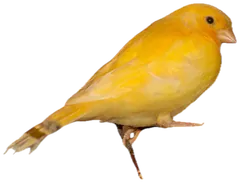
Canary
Usually none: there are a few bird vaccines, but most pet birds don't get vaccinated. Ask your vet.
A checkup at the vet every year. Once a year, with an avian vet.
The care calendar
What to do, from the most frequent to the least.
- every dayFresh food and waterFresh water every day; remove old food and wash the bowls and water bottle.
- every dayCage paperChange the cage paper every day: it lets you check the droppings.
- every weekWeigh-inWith a digital gram scale: if the weight changes by more than 10%, see the vet.
- every weekBath timeA dish of fresh water to bathe in, once or twice a week or more: they enjoy it.
- every weekFull clean of the cageAt least once a week, with a bird-safe disinfectant.
- every 6 monthsUV lampIf it lives only indoors it needs a lamp with UVA and UVB: replace it after 6 to 12 months, as the brand says.
- every yearCheck-upOnce a year, with an avian vet.
The weekly, monthly and yearly tasks, repeating on their own. The file stays on your phone.
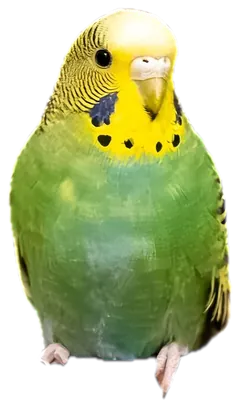
Budgies
Usually none: there are a few bird vaccines, but most pet birds don't get vaccinated. Ask your vet.
A checkup at the vet every year. Once a year, with an avian vet.
The care calendar
What to do, from the most frequent to the least.
- every dayFresh food and waterWash the bowls and water bottle every day with hot, soapy water (rinsing isn't enough) and change the water.
- every dayCage paperChange the cage paper every day: that way you can see how many droppings there are and their color.
- every weekWeigh-inUse a digital gram scale and note the weight: if it changes by more than 10%, see the vet.
- every weekFull clean of the cageAt least once a week, with a bird-safe disinfectant.
- every weekBath timeOnce or twice a week, even in winter: a shallow dish of water or a mister.
- every 6 monthsUVB lampThe bulb keeps giving light even after its UVB is gone: replace it after 6 to 12 months, as the brand says.
- every yearCheck-upOnce a year, with an avian vet.
The weekly, monthly and yearly tasks, repeating on their own. The file stays on your phone.
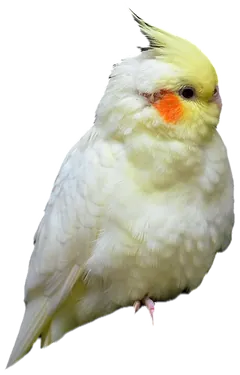
Cockatiel
Usually none: there are a few bird vaccines, but most pet birds don't get vaccinated. Ask your vet.
A checkup at the vet every year. Once a year, with an avian vet.
The care calendar
What to do, from the most frequent to the least.
- every dayFresh food and waterWash the bowls and water bottle every day with hot, soapy water (rinsing isn't enough) and change the water.
- every dayCage paperChange the cage paper every day: that way you can see how many droppings there are and their color.
- every weekWeigh-inUse a digital gram scale and note the weight: if it changes by more than 10%, see the vet.
- every weekFull clean of the cageAt least once a week, with a bird-safe disinfectant.
- every weekBath timeOnce or twice a week, even in winter: a shallow dish of water or a mister.
- every 6 monthsUVB lampThe bulb keeps giving light even after its UVB is gone: replace it after 6 to 12 months, as the brand says.
- every yearCheck-upOnce a year, with an avian vet.
The weekly, monthly and yearly tasks, repeating on their own. The file stays on your phone.
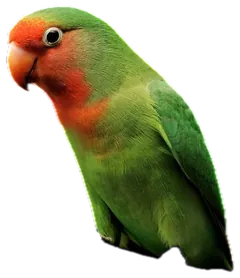
Lovebirds
Usually none: there are a few bird vaccines, but most pet birds don't get vaccinated. Ask your vet.
A checkup at the vet every year. Once a year, with an avian vet.
The care calendar
What to do, from the most frequent to the least.
- every dayFresh food and waterWash the bowls and water bottle every day with hot, soapy water (rinsing isn't enough) and change the water.
- every dayCage paperChange the cage paper every day: that way you can see how many droppings there are and their color.
- every weekWeigh-inUse a digital gram scale and note the weight: if it changes by more than 10%, see the vet.
- every weekFull clean of the cageAt least once a week, with a bird-safe disinfectant.
- every weekBath timeOnce or twice a week, even in winter: a shallow dish of water or a mister.
- every 6 monthsUVB lampThe bulb keeps giving light even after its UVB is gone: replace it after 6 to 12 months, as the brand says.
- every yearCheck-upOnce a year, with an avian vet.
The weekly, monthly and yearly tasks, repeating on their own. The file stays on your phone.
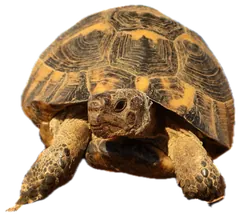
Tortoise
None: reptiles don't need vaccines.
A checkup at the vet every year. With a reptile vet.
The care calendar
What to do, from the most frequent to the least.
- every dayFresh waterClean water at all times, in a shallow dish it can also bathe in.
- every 2 daysGreens and weedsSuch as dandelion, clover and plantain. Young tortoises every day.
- every 3 daysCalcium and vitaminsAs a powder, on the food, 2–3 times a week; cuttlebone or calcium always available.
- every 2 weeksWeigh-inDuring brumation weigh it every 1 to 2 weeks: it should lose at most 1% of its weight a month. The rest of the year, keep a weight record.
- every 6 monthsUVB lampOn every day like natural daylight, less than 30 cm (12 in) from the tortoise: replace it when the brand says.
- every yearYearly check-upWith a reptile vet.
The weekly, monthly and yearly tasks, repeating on their own. The file stays on your phone.
Red-eared slider
None: reptiles don't need vaccines.
A checkup at the vet every year. With a reptile vet.
The care calendar
What to do, from the most frequent to the least.
- every dayCheck the temperaturesWith two digital thermometers, one at the warm spot and one at the cool end: thermostats can be off.
- every 2 daysGreens and pelletsYoung turtles every day. Feed in a separate tub to keep the tank clean.
- every weekPartial water changeReplace about 20% with dechlorinated water; rinse the filter sponge in the water you took out, never under the tap. If tests show high ammonia or nitrite, change half the water every day until they drop.
- every 6 monthsUVB lampIt still gives light after the UVB has run out: replace it when the brand says (fluorescent tubes usually every 6 months).
- every yearYearly check-upWith a reptile vet.
The weekly, monthly and yearly tasks, repeating on their own. The file stays on your phone.

Leopard gecko
None: reptiles don't need vaccines.
A checkup at the vet every year. With a reptile vet.
The care calendar
What to do, from the most frequent to the least.
- every dayFresh waterA shallow dish of clean water, washed and refilled every day (right away if it's dirty).
- every dayHumid hideMoisten the moss in the humid hide; replace it every week.
- every dayCheck the temperaturesWith two digital thermometers, one at the warm spot and one at the cool end: thermostats can be off.
- every 2 daysInsects dusted with calciumEvery other day as an adult, every day when young. Calcium on the insects at least 3 times a week.
- every 2 weeksMultivitaminOn the insects, instead of calcium.
- every monthFull clean of the terrariumRemove droppings as you see them.
- every 6 monthsUVB lampIt still gives light after the UVB has run out: replace it when the brand says (fluorescent tubes usually every 6 months).
- every yearYearly check-upWith a reptile vet.
The weekly, monthly and yearly tasks, repeating on their own. The file stays on your phone.
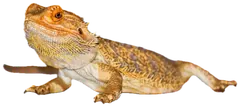
Bearded dragon
None: reptiles don't need vaccines.
A checkup at the vet every year. With a reptile vet.
The care calendar
What to do, from the most frequent to the least.
- every dayGreens and insectsFresh greens every day, in the morning; dusted insects: twice a day for babies, 3–4 times a week for adults.
- every dayFresh waterA large, shallow dish of clean water, changed every day: it drinks little, but needs it there.
- every weekMultivitamin on the foodCalcium on the insects every day, the multivitamin once a week.
- every monthFull clean of the terrariumRemove droppings as you see them.
- every 6 monthsUVB lampIt still gives light after the UVB has run out: replace it when the brand says (fluorescent tubes usually every 6 months).
- every yearYearly check-upWith a reptile vet.
The weekly, monthly and yearly tasks, repeating on their own. The file stays on your phone.
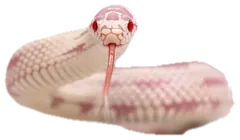
Corn snake
None: reptiles don't need vaccines.
A checkup at the vet every year. With a reptile vet.
The care calendar
What to do, from the most frequent to the least.
- every dayCheck the temperaturesWith two digital thermometers, one at the warm spot and one at the cool end: thermostats can be off.
- every 10 daysFrozen-thawed preyPrey slightly wider than the widest part of its body. Hatchlings eat every 5–6 days, adults every 7–14.
- every monthFull clean of the terrariumRemove droppings as you see them; fresh water every day.
- every yearYearly check-upWith a reptile vet.
The weekly, monthly and yearly tasks, repeating on their own. The file stays on your phone.
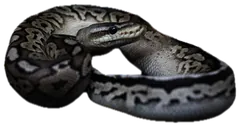
Ball python
None: reptiles don't need vaccines.
A checkup at the vet every year. With a reptile vet.
The care calendar
What to do, from the most frequent to the least.
- every dayCheck the temperaturesWith two digital thermometers, one at the warm spot and one at the cool end: thermostats can be off.
- every 10 daysFrozen-thawed preyPrey about as wide as the widest part of its body. Young snakes eat every 5–6 days, adults every 7–14.
- every monthFull clean of the terrariumRemove droppings as you see them; fresh water every day.
- every yearYearly check-upWith a reptile vet.
The weekly, monthly and yearly tasks, repeating on their own. The file stays on your phone.
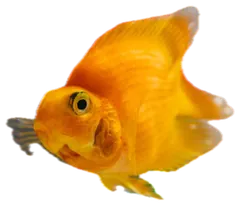
Goldfish
Usually none: vaccines are still uncommon for pet fish.
No vet source gives a fixed checkup schedule: ask a vet who knows its species how often a checkup is needed.
The care calendar
What to do, from the most frequent to the least.
- every dayA little foodGoldfish food: only what it eats in under 2 minutes, once a day.
- every dayCheck the fish and the waterWatch how it swims and eats, check the thermometer and that the filter and heater work. Remove leftover food.
- every weekPartial water changeTest the water first. Replace 10–25% with water treated with conditioner, at the same temperature, cleaning the gravel.
- every weekWater testAmmonia and nitrite should be zero; nitrate no more than 20 mg/L above your tap water.
- every monthClean the filterRinse the media lightly in water taken from the tank, never under the tap; sooner if it clogs.
The weekly, monthly and yearly tasks, repeating on their own. The file stays on your phone.
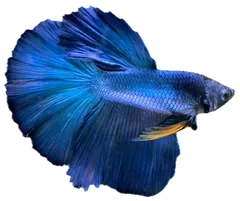
Betta fish
Usually none: vaccines are still uncommon for pet fish.
No vet source gives a fixed checkup schedule: ask a vet who knows its species how often a checkup is needed.
The care calendar
What to do, from the most frequent to the least.
- every dayA little foodBetta pellets or flakes: only what it eats in under 2 minutes, once a day.
- every dayCheck the fish and the waterWatch how it swims and eats, check the thermometer and that the filter and heater work. Remove leftover food.
- every weekPartial water changeTest the water first. Replace 10–25% with water treated with conditioner, at the same temperature.
- every weekWater testAmmonia and nitrite should be zero; nitrate no more than 20 mg/L above your tap water.
- every monthClean the filterRinse the media lightly in water taken from the tank, never under the tap; sooner if it clogs.
The weekly, monthly and yearly tasks, repeating on their own. The file stays on your phone.
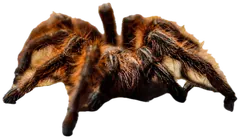
Tarantula
There are no vaccines to give.
No vet source gives a fixed checkup schedule: ask a vet who knows its species how often a checkup is needed.
The care calendar
What to do, from the most frequent to the least.
- every dayWater dishRefill the shallow dish every day and change it completely twice a week. Mist the substrate, never the spider.
- every weekLive insects3 to 5 crickets no longer than half its body, once or twice a week; remove the ones it doesn't eat.
The weekly, monthly and yearly tasks, repeating on their own. The file stays on your phone.
Always ask your vet: this site helps you understand, it doesn’t replace a checkup.
Sources
All 61 sources, pet by pet
- Rabbit Welfare Association & Fund, Vaccines (checked on October 13, 2026)
- European Medicines Agency, Nobivac Myxo-RHD Plus (vaccine authorised in the EU) (checked on October 13, 2026)
- Merck Veterinary Manual, Routine Health Care of Rabbits (checked on October 13, 2026)
- RSPCA, Rabbit health (checked on October 13, 2026)
- RSPCA, Rabbit diet (checked on October 13, 2026)
- Rabbit Welfare Association & Fund, Flystrike in rabbits (checked on October 13, 2026)
- Merck Veterinary Manual, Providing a Home for a Rabbit (checked on October 13, 2026)
- PDSA, How often should you groom your pet? (checked on October 13, 2026)
- Merck Veterinary Manual, Routine Care of Guinea Pigs (checked on October 13, 2026)
- RSPCA, Guinea pig diet (checked on October 13, 2026)
- RSPCA, Guinea pig health (checked on October 13, 2026)
- PDSA, Guinea pig health (checked on October 13, 2026)
- RSPCA, Guinea pig environment (checked on October 13, 2026)
- Merck Veterinary Manual, Routine Health Care of Hamsters (checked on October 13, 2026)
- PDSA, Hamsters as pets (checked on October 13, 2026)
- RSPCA, Hamster diet (checked on October 13, 2026)
- PDSA, Giving your pet a health check at home (checked on October 13, 2026)
- Merck Veterinary Manual, Routine Health Care of Rats (checked on October 13, 2026)
- RSPCA, Rat diet (checked on October 13, 2026)
- PDSA, Rats as pets (checked on October 13, 2026)
- RSPCA, Rat health (checked on October 13, 2026)
- RSPCA, Rat environment (checked on October 13, 2026)
- National Fancy Rat Society, Keeping rats as pets (checked on October 13, 2026)
- Merck Veterinary Manual, Management of Ferrets (checked on October 13, 2026)
- Merck Veterinary Manual, Routine Health Care for Ferrets (checked on October 13, 2026)
- PDSA, Ferrets as pets (checked on October 13, 2026)
- Italian Ministry of Health (Ministero della Salute), pet passport for dogs, cats and ferrets traveling in the EU (checked on October 13, 2026)
- Animal Legal & Historical Center (Michigan State University), Table of State Rabies Vaccination Laws (checked on October 14, 2026)
- American Ferret Association, Frequently asked questions (checked on October 13, 2026)
- Merck Veterinary Manual, Infectious Diseases of Ferrets (checked on October 13, 2026)
- RSPCA, Ferret environment (checked on October 13, 2026)
- Merck Veterinary Manual, Importance of Veterinary Care in Pet Birds (checked on October 13, 2026)
- Royal Veterinary College, Canary care and advice (2022, PDF) (checked on October 14, 2026)
- Deutscher Tierschutzbund (German Animal Welfare Federation), Canaries (checked on October 13, 2026)
- Association of Avian Veterinarians, Basic Care for Companion Birds (PDF) (checked on October 13, 2026)
- Association of Avian Veterinarians, Signs of Illness in Companion Birds (PDF) (checked on October 13, 2026)
- Association of Avian Veterinarians, Ultraviolet Light as a Critical Component of Companion Bird Husbandry (PDF, 2024) (checked on October 13, 2026)
- Royal Veterinary College, Budgerigar care (2024, PDF) (checked on October 14, 2026)
- Merck Veterinary Manual, Feeding a Pet Bird (checked on October 13, 2026)
- Royal Veterinary College, Cockatiel care (2022, PDF) (checked on October 14, 2026)
- Merck Veterinary Manual, Routine Health Care of Reptiles (checked on October 14, 2026)
- British Chelonia Group, Care sheet for Mediterranean tortoises (checked on October 13, 2026)
- RSPCA, Handle with care: Spur-thighed, Hermann's, marginated and Horsfield's tortoises (PDF) (checked on October 13, 2026)
- Association of Reptile and Amphibian Veterinarians (ARAV), Bearded Dragons, Companion Reptile Care Series (PDF, copy on a veterinary clinic website) (checked on October 13, 2026)
- Association of Reptile and Amphibian Veterinarians (ARAV), Red-Eared Sliders, Companion Reptile Care Series (PDF, copy on a veterinary clinic website) (checked on October 13, 2026)
- RSPCA, Terrapin care (checked on October 13, 2026)
- Association of Reptile and Amphibian Veterinarians (ARAV), Leopard Geckos, Companion Reptile Care Series (PDF, copy on a veterinary clinic website) (checked on October 13, 2026)
- RSPCA, Leopard gecko care (checked on October 13, 2026)
- RSPCA, Bearded dragon care (checked on October 13, 2026)
- Association of Reptile and Amphibian Veterinarians (ARAV), Corn Snakes, Companion Reptile Care Series (PDF, copy on a veterinary clinic website) (checked on October 13, 2026)
- RSPCA, Corn snake care (checked on October 13, 2026)
- Association of Reptile and Amphibian Veterinarians (ARAV), Ball Pythons, Companion Reptile Care Series (PDF, copy on a veterinary clinic website) (checked on October 13, 2026)
- RSPCA, Royal python care (checked on October 13, 2026)
- Merck Veterinary Manual, Routine Health Care of Fish (checked on October 13, 2026)
- RSPCA Australia, How should I care for my goldfish? (checked on October 13, 2026)
- OATA, How to look after goldfish in an aquarium (checked on October 14, 2026)
- RSPCA Australia, How should I care for my Siamese fighting fish? (checked on October 13, 2026)
- OATA, How to look after Siamese fighting fish (bettas) (checked on October 14, 2026)
- University of Kentucky Entomology, Exotic bugs: care and feeding (checked on October 13, 2026)
- University of Illinois College of Veterinary Medicine, Caring for pet tarantulas (checked on October 13, 2026)
- Royal Veterinary College, Tarantula care (2024, PDF) (checked on October 14, 2026)